Kathmandu’s Last Green Shield at Risk: Pollution in Shivapuri Nagarjun National Park Demands Urgent Attention
Kathmandu Valley faces a public health emergency driven by severe, escalating air pollution.
Once a city celebrated for its natural beauty, Kathmandu now suffers hazardous air pollution throughout the year. Climate change, runaway urbanization, unchecked vehicle emissions, rampant unmanaged waste, and the systematic destruction of green spaces have converged to make Kathmandu one of South Asia’s most critically endangered urban environments.
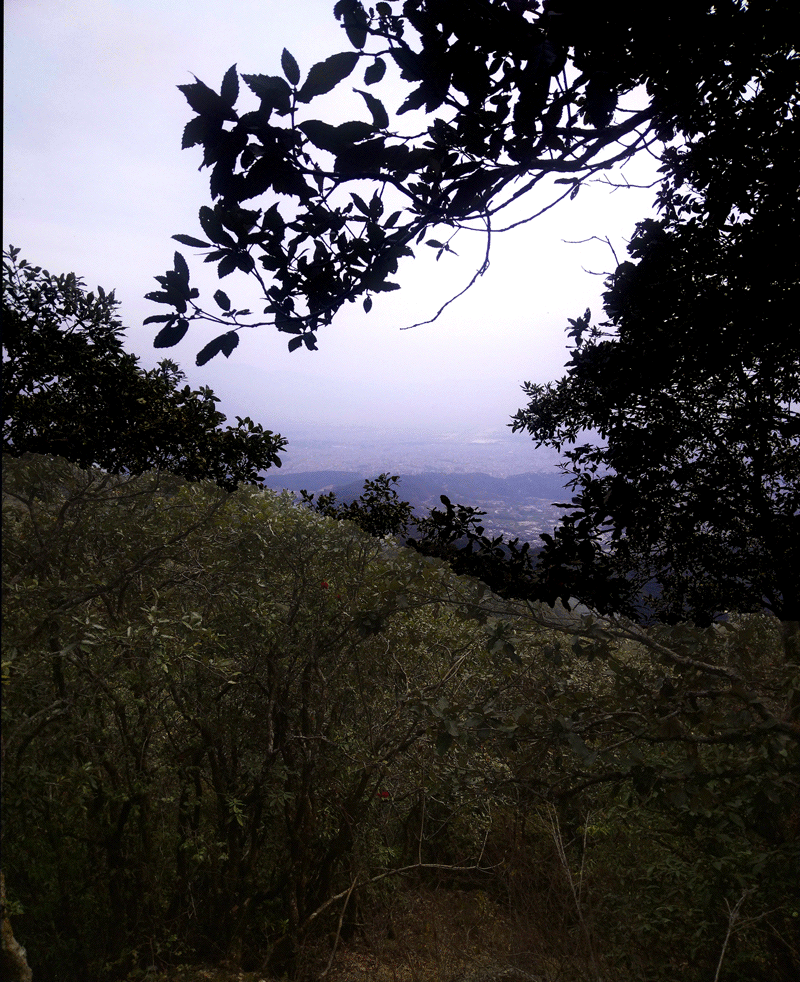
Shivapuri Nagarjun National Park remains a vital natural protector above the city.
Located along the northern rim of Kathmandu Valley, this protected forest provides clean air, supports biodiversity, preserves water sources, regulates temperature, and offers residents a natural refuge from urban pollution. Kathmandu is unique as it is likely the only metropolitan city directly connected to a national park of this ecological significance.
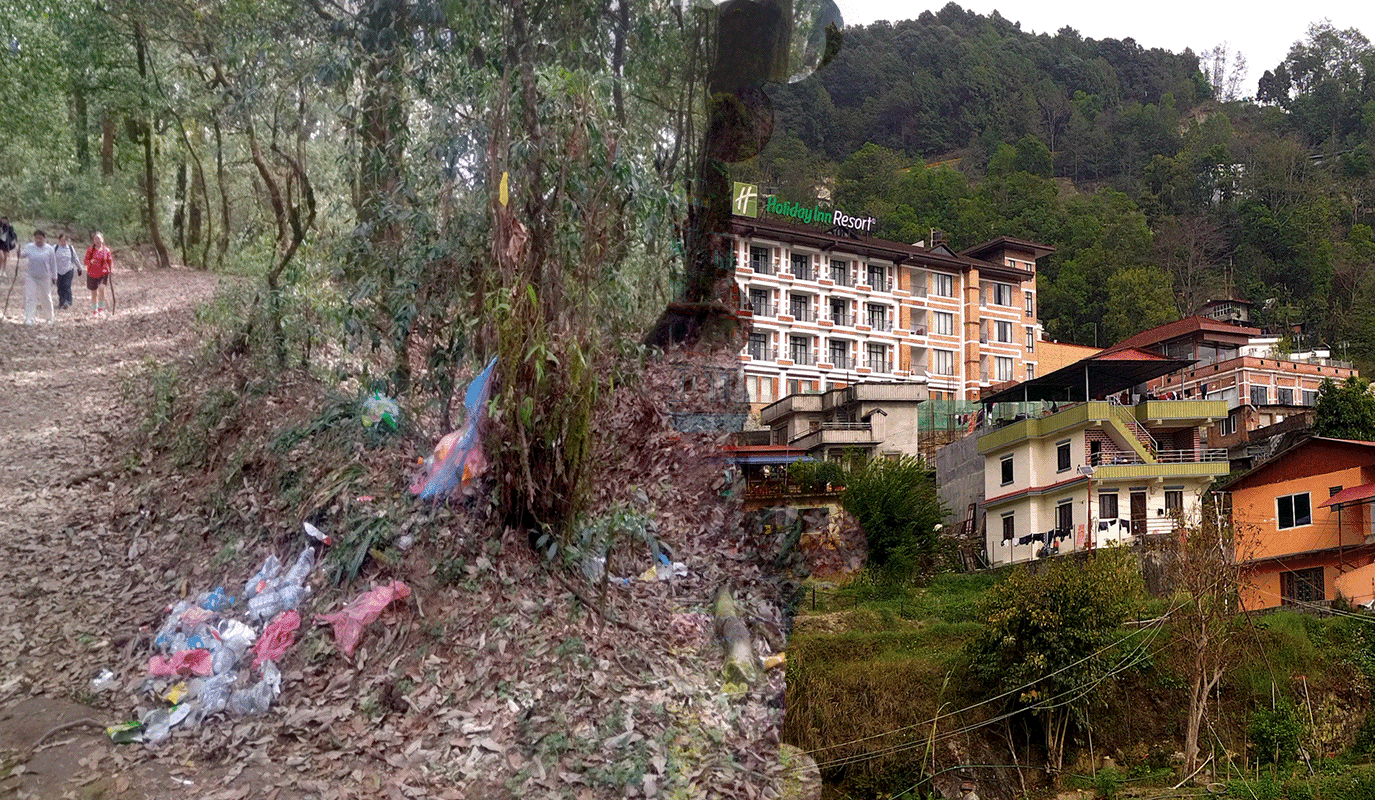
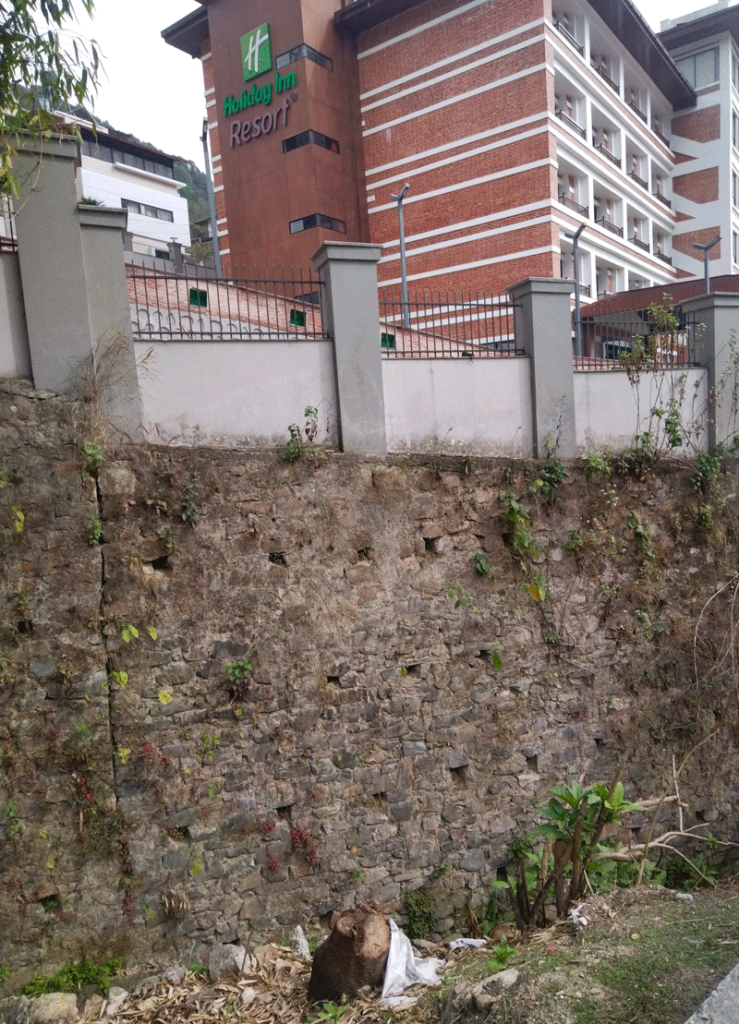
Today, this irreplaceable sanctuary faces existential threats from both external forces and relentless human encroachment. In areas such as Budhanilkantha, national park boundaries are brazenly converted into expanding human settlements—an outright assault on the last forests protecting Kathmandu. Ancient woodland is bulldozed for housing and commercial infrastructure, devastating habitats, severing vital wildlife corridors, and unleashing new sources of pollution at the city’s ecological frontier. Every act of illegal construction and encroachment not only shrinks the park’s protective boundary but actively dismantles Kathmandu’s last defense against environmental collapse. This is not merely a local concern—it is a direct threat to the valley’s survival, demanding immediate, uncompromising action from both authorities and citizens.
Disturbing Reality Along the Trails
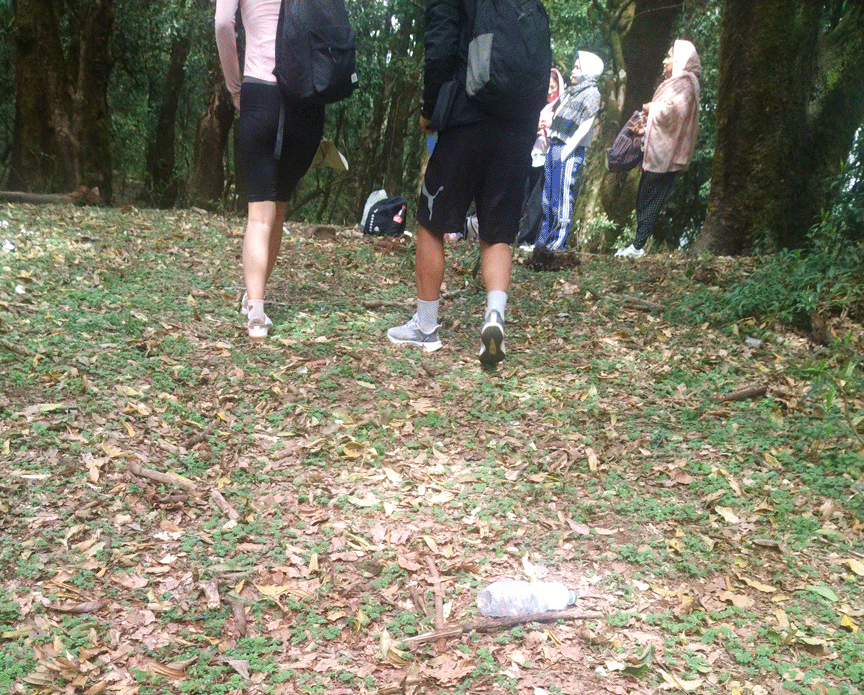
Recent observations and photographs from hiking routes in Shivapuri Nagarjun National Park show plastic waste, discarded bottles, food wrappers, and unmanaged rubbish scattered across sensitive ecological areas.
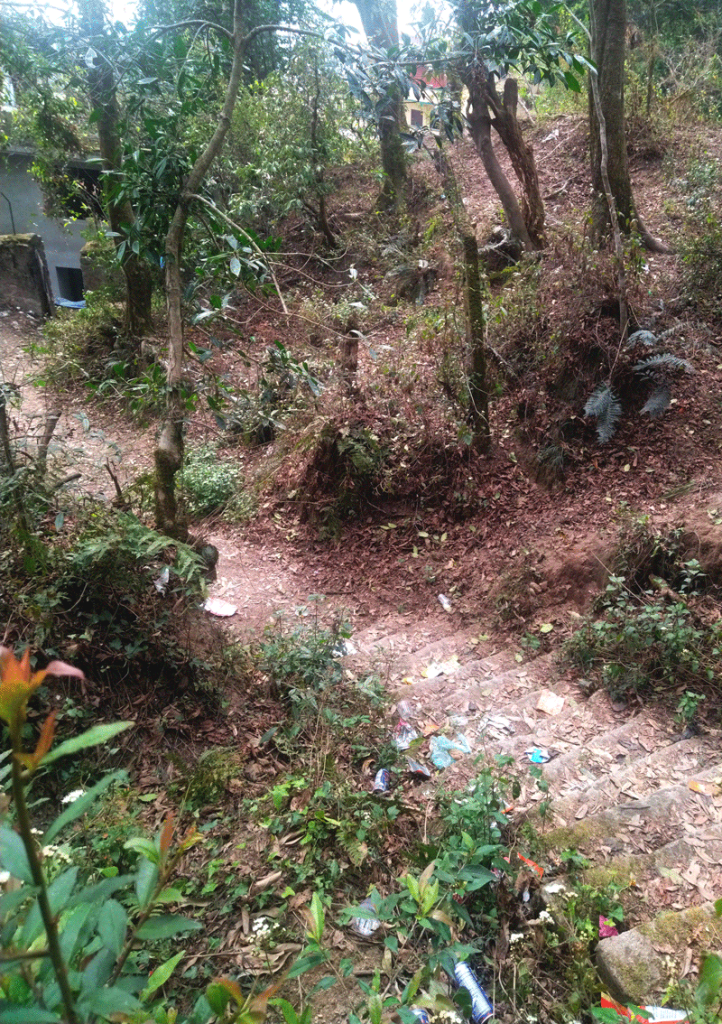
Visitors expecting pristine nature instead encounter signs of environmental neglect in areas managed by government authorities and security personnel. The Department of National Parks and Wildlife Conservation (DNPWC), the National Trust for Nature Conservation (NTNC), park administration officials, and the Nepal Army battalion stationed for conservation security are all institutions with direct or indirect responsibility for maintaining ecological integrity within the park.
However, current conditions do not align with the environmental commitments these organizations publicly promote.
The official portals of these institutions present organized structures, conservation missions, and teams dedicated to environmental protection:
- Department of National Parks and Wildlife Conservation (DNPWC)
- National Trust for Nature Conservation (NTNC)
- Shivapuri Nagarjun National Park Administration
Despite decades of official statements, ceremonial programs, and symbolic conservation measures, government bodies have categorically failed to halt the destruction of Shivapuri Nagarjun National Park. The Department of National Parks and Wildlife Conservation, National Trust for Nature Conservation, and park administration issue reports and public pledges, but the facts on the ground reveal a pattern of negligence, inaction, and even complicity. Year after year, committees are formed and budgets allocated, yet pollution, deforestation, and encroachment intensify. When the very institutions entrusted with safeguarding the nation’s ecological future become complacent or complicit, conservation is reduced to empty rhetoric—and nature pays the ultimate, irreversible price. The time for polite appeals and incremental change is over. Only immediate and collective action can avert a total environmental catastrophe.
Where is the accountability?
How can publicly funded institutions, established to protect Nepal’s natural heritage, permit visible pollution within one of the country’s most ecologically sensitive areas?
Why are waste management systems inadequate inside a national park that receives thousands of hikers, pilgrims, students, and tourists every year?
Most importantly, if protected areas are becoming polluted, what hope remains for the broader environment of Kathmandu Valley?
A Threat Beyond Aesthetics
The issue extends beyond litter.
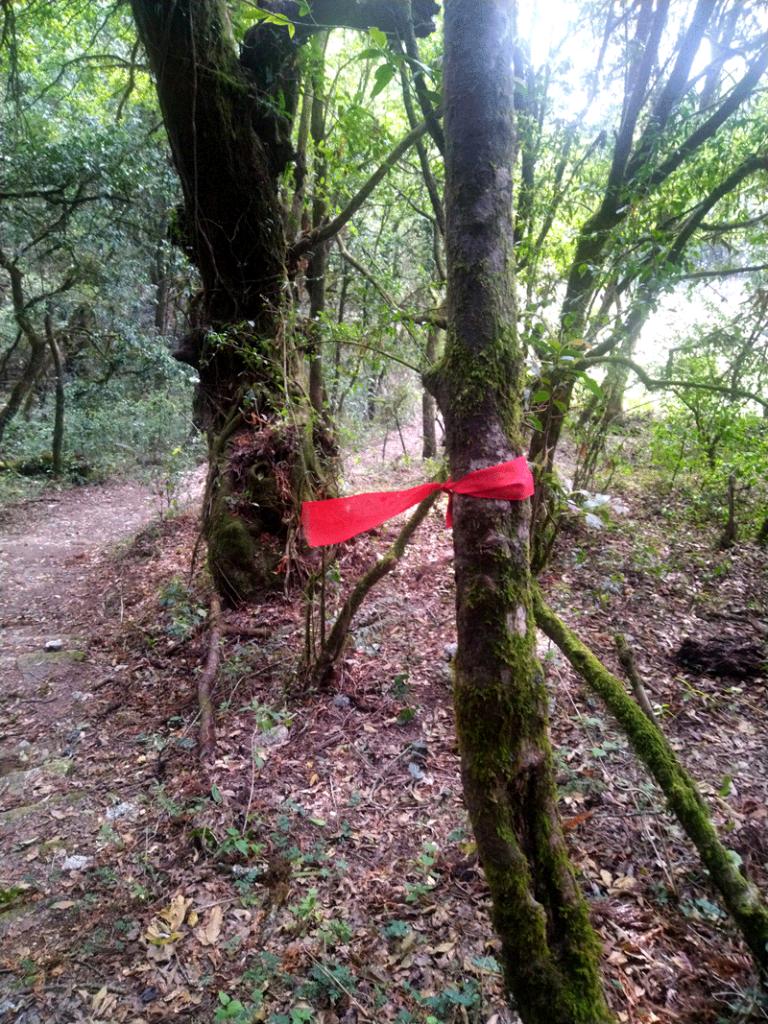
Plastic and unmanaged waste directly threaten wildlife, soil quality, water systems, and forest health. During the monsoon, plastic waste can enter streams and watersheds that support downstream communities. Wildlife may ingest plastic, and burning waste releases toxic emissions into already polluted air.
Environmental experts agree that protected forests near urban centers are increasingly important for combating climate change and enhancing urban resilience.
For Kathmandu, Shivapuri is not optional. It is essential.
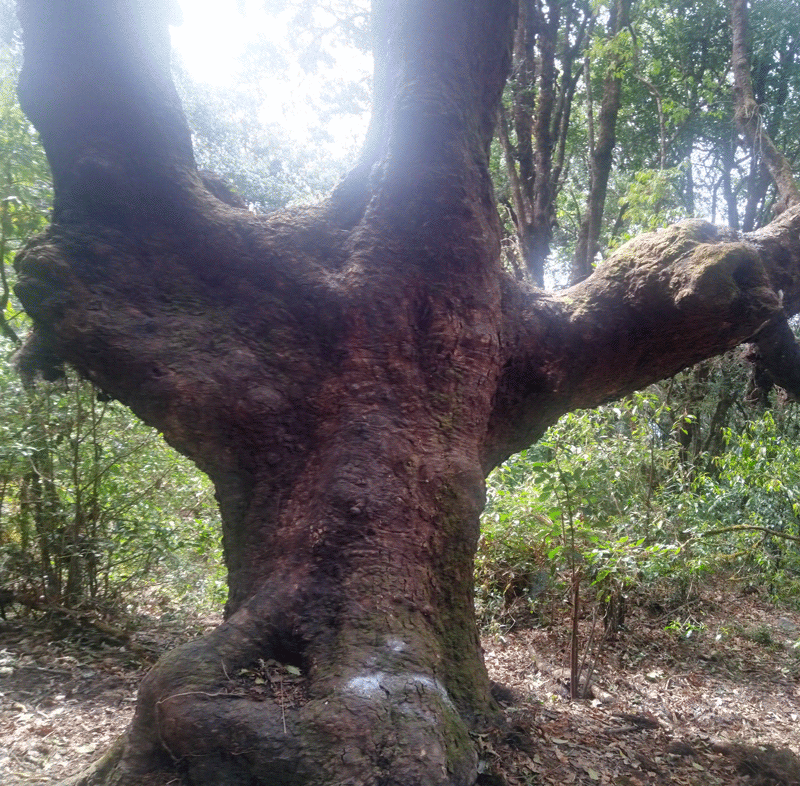
The park significantly supports groundwater recharge and water supply for the valley. It moderates heat, absorbs carbon emissions, and is one of the few large green ecosystems preventing further ecological decline in Kathmandu.
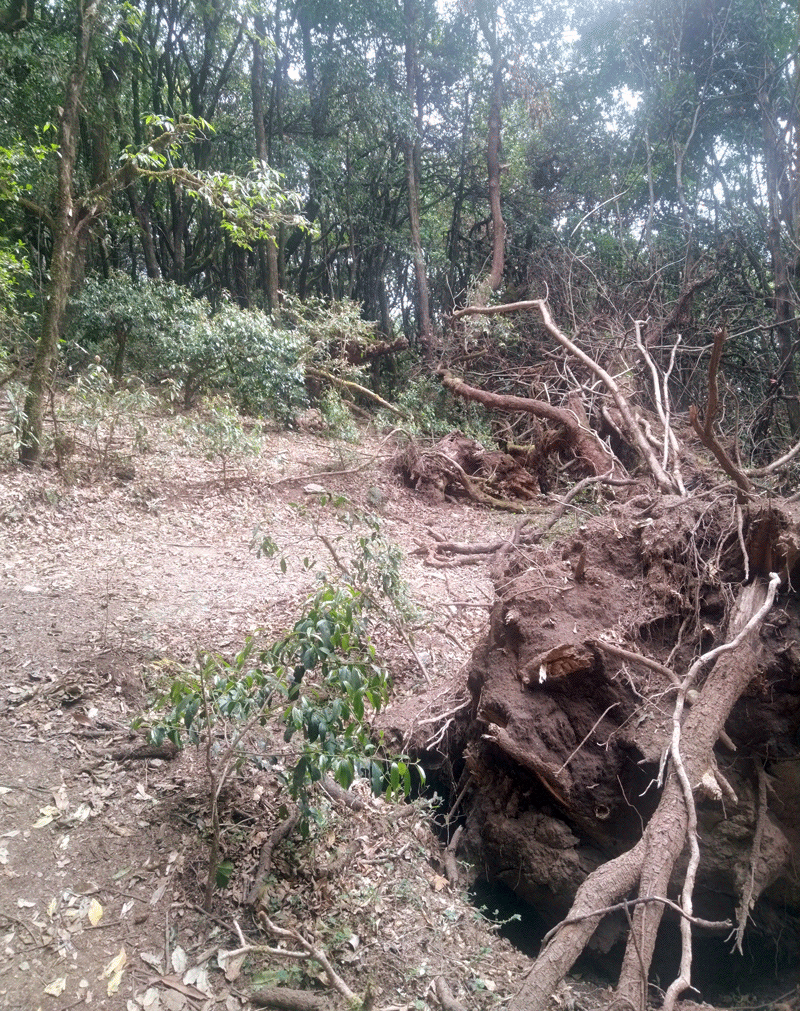
Neglecting or damaging this environment undermines the city’s natural life-support system.
Citizens Are Watching
Increasing environmental awareness among Nepal’s youth and civil society ensures that negligence can no longer be concealed by official reports or ceremonial conservation programs.
Nature enthusiasts, hikers, researchers, photographers, and local citizens are documenting conditions on the ground. Social media and citizen journalism are highlighting the gap between policy and implementation.
Conservation requires more than slogans.
It demands discipline, transparency, ecological understanding, effective waste management, and genuine accountability in the field.
Time for Immediate Action
Environmental activists and concerned citizens are calling for urgent reforms in Shivapuri Nagarjun National Park, including:
- Strict anti-littering enforcement across all hiking routes
- Regular waste collection and monitoring systems
- Independent environmental audits of park conditions
- Public transparency regarding conservation budgets and implementation
- Stronger ecological training for field personnel
- Community participation in conservation monitoring
- Eco-awareness programs for visitors and staff
- Immediate cleanup campaigns across affected trails
Authorities must recognize that national parks are not merely symbolic attractions for tourism materials.
They are living ecosystems.
Restoration, once damage occurs, may take decades.
A National Responsibility
Nepal is internationally recognized for its natural beauty and conservation achievements. From the Himalayas to its protected forests, the country has earned global respect for biodiversity preservation.
True conservation begins with transparency.
Protecting nature requires addressing failures wherever they occur, including within government systems. Condition seen inside Shivapuri Nagarjun National Park should serve as a wake-up call not only for authorities, but for every citizen of Kathmandu Valley.
When the forests that protect a city are compromised, the city itself ultimately suffers.
The future of Kathmandu’s environment depends on the actions taken in Shivapuri today.
Silence is no longer an option.


